Broker

Brokerage Unveiled: The Invisible Architects of Modern Markets

Introduction: The Subtle Power of the Broker

In the intricate machinery of the global economy, few figures wield as much quiet influence as the broker. Although their work often happens behind the scenes, brokers shape the flow of capital, facilitate monumental deals, and provide clarity amid market chaos. For centuries, they have adapted to revolutions in trade, finance, and technology—yet their essential purpose remains constant: to connect, to advise, and to negotiate on behalf of others. Understanding brokers is to understand how trust, knowledge, and human instinct fuel the engine of commerce.

What Exactly Is a Broker?

A broker is commonly described as an intermediary between buyers and sellers, but this simple definition fails to capture the depth of the role. Brokers interpret market trends, manage risk, negotiate prices, and above all, protect the interests of their clients. Whether it is a stockbroker matching investors with shares, a real estate broker closing multi-million-dollar property deals, or a freight broker ensuring goods move seamlessly across borders, each one operates at the intersection of opportunity and expertise.

Tracing the Origins: A Brief History

Brokers have existed in one form or another since ancient trade routes first connected distant civilizations. In medieval Europe, the rise of commodity exchanges brought forth the first organized brokers who linked producers with merchants. By the 17th century, stock exchanges like the Amsterdam Bourse formalized the role, cementing brokers as vital players in emerging capital markets. Over time, as industries grew and investment vehicles multiplied, brokers evolved from mere intermediaries to trusted advisors navigating increasingly complex financial landscapes.

The Many Faces of Modern Brokerage

Today’s brokers are remarkably diverse in their specialization. Their scope stretches far beyond the floor of a bustling stock exchange.

Common types of brokers include:

  • Stockbrokers: Execute trades of equities and securities for individuals and institutions.

  • Forex Brokers: Provide access to the massive foreign exchange markets where currencies are traded around the clock.

  • Commodity Brokers: Handle trades in physical resources like oil, gold, or agricultural goods.

  • Real Estate Brokers: Match buyers and sellers of residential or commercial property, offering insight into valuation, negotiation, and legalities.

  • Insurance Brokers: Navigate the world of policies and premiums to secure the best coverage for clients.

  • Mortgage Brokers: Act as liaisons between borrowers and lenders, arranging home loans and refinancing solutions.

Each branch demands its own blend of regulatory knowledge, negotiation skills, and industry insight.

Why Clients Still Rely on Brokers

In an era when technology promises direct access to markets at one’s fingertips, why do brokers remain so indispensable? The answer lies in the complexity of modern transactions and the value of personalized guidance.

A skilled broker offers:

  • Objective analysis and advice tailored to the client’s financial goals

  • Insider knowledge of niche markets or local trends

  • Emotional discipline, helping clients make rational decisions when fear or greed clouds judgment

  • A buffer against hidden risks and predatory practices

Above all, they save clients time—an increasingly precious resource in a hyper-connected world.

Technology’s Impact: A Catalyst for Evolution

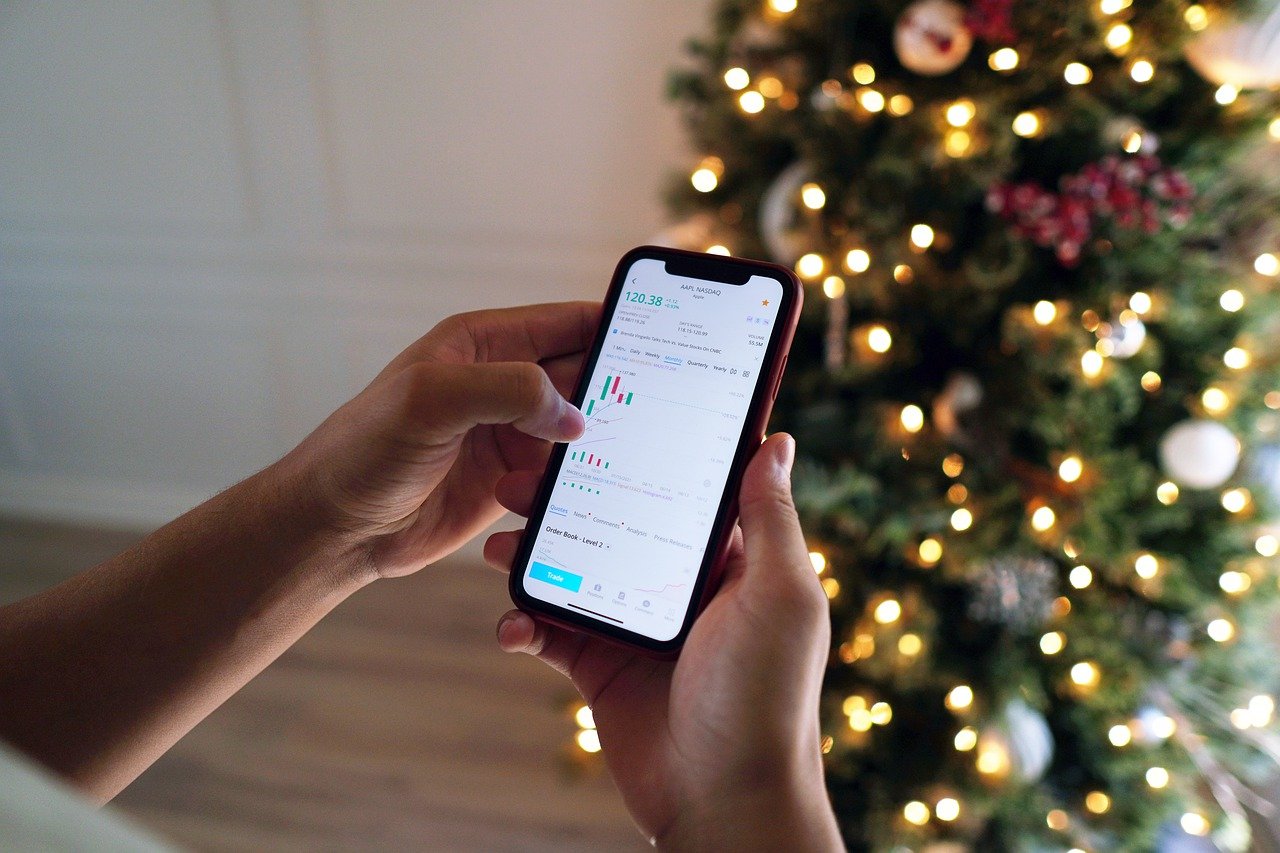
The digital revolution has reshaped the brokerage landscape. Online trading platforms, algorithmic trading, and robo-advisors have made markets more accessible than ever. Retail investors can now execute trades independently with a few taps on a smartphone.

Yet, instead of eliminating the broker’s relevance, technology has redefined it. Many brokers now use cutting-edge tools to deepen their value proposition. Big data analytics, artificial intelligence, and sophisticated risk models enhance their ability to forecast trends, customize portfolios, and respond swiftly to market shifts.

Ethics and Regulation: Safeguarding Trust

The privilege of managing other people’s money comes with weighty responsibility. Regulatory bodies worldwide—such as the SEC and FINRA in the United States, the FCA in the UK, or SEBI in India—enforce stringent rules to ensure brokers operate transparently and ethically.

Brokers must:

  • Ensure that investment products are suitable for each client’s risk profile

  • Disclose all fees, commissions, and potential conflicts of interest

  • Follow anti-money laundering (AML) and know-your-customer (KYC) protocols

  • Protect sensitive client data with robust cybersecurity measures

These guardrails not only protect investors but also preserve confidence in financial systems.

Traits That Define an Exceptional Broker

Not every broker leaves a lasting mark. The exceptional ones share qualities that elevate them beyond transactional facilitators.

Core traits include:

  • Integrity: A deep commitment to honesty and ethical conduct

  • Financial Acumen: Mastery of market fundamentals and the ability to interpret complex economic signals

  • Communication Skills: The art of translating market jargon into clear, actionable advice

  • Patience and Discipline: The wisdom to advise clients when to act—and when to stand still

  • Adaptability: A willingness to embrace innovation without losing the personal touch that builds trust

The Human Touch: Irreplaceable in an Automated Age

Numbers can be crunched by algorithms, but they cannot understand the anxieties, ambitions, or unique circumstances of a person sitting across the table. When a client hesitates during a downturn or dreams of funding a child’s education through smart investing, it is the broker’s human touch—compassion balanced with realism—that makes all the difference.

This emotional intelligence is the last frontier where machines struggle to compete. It is what turns a mere transaction into a lasting relationship built on mutual respect.

Conclusion: Brokers as Architects of Opportunity

While their work may not make headlines, brokers stand among the invisible architects who shape how capital flows, assets change hands, and wealth is built. They are connectors of people and markets, translators of risk and reward, guardians of trust in a world where fortunes can rise and fall with the tick of a clock.

In a future where financial landscapes grow only more intricate, the best brokers will continue to thrive—not in spite of technology, but alongside it, wielding its power with the wisdom and discretion that only a skilled human mind can bring. The true broker is, and always will be, more than a middleman; they are a navigator in a sea of possibility, guiding clients toward horizons they might never reach alone.

What is your reaction?

Excited
0
Happy
0
In Love
0
Not Sure
0
Silly
0

You may also like

More in:Broker