
 By Royal Armani
In the sprawling network of global commerce, where billions of transactions occur daily across industries and continents, a critical figure often stands in the shadows—essential, yet frequently overlooked. The broker is not merely a facilitator of deals, but a strategist, an interpreter of market signals, and a gatekeeper of opportunities. Whether in finance, real estate, insurance, or logistics, brokers serve as a bridge between complexity and clarity, transforming uncertainty into actionable outcomes.
Understanding the true nature and function of brokers reveals not just their commercial value but their role in shaping the trust and efficiency that keep markets functioning smoothly. In a world increasingly driven by data and automation, the human touch, expertise, and discretion of a broker remain profoundly irreplaceable.
What Exactly Is a Broker?
At its most fundamental level, a broker is an intermediary who brings together parties in a transaction—usually a buyer and a seller—and facilitates the execution of that transaction in exchange for a fee or commission. But this definition hardly captures the full essence of what brokers do.
Brokers are advisors, negotiators, and market interpreters. They add value by reducing information asymmetry, handling the complexities of deal-making, and ensuring all sides find equitable ground. In many ways, they are the unsung custodians of transparency and efficiency in highly fragmented and specialized marketplaces.
The Broker’s Historical Role
The role of the broker is deeply embedded in the history of trade and commerce. Ancient civilizations relied on intermediaries to facilitate barter, organize caravans, and broker maritime exchanges. In medieval Europe, merchants and intermediaries formed the backbone of trading networks, especially as commerce expanded beyond local markets.
With the advent of formal exchanges such as the Amsterdam Stock Exchange in the 17th century, brokers began to develop a professional identity, with specific rules and ethical standards. Over time, brokerage became a regulated and recognized career path, one that required both licensing and adherence to strict codes of conduct.
Types of Brokers and Their Functions
Brokers today work in a wide array of sectors, each with its own norms, regulations, and skill requirements. Despite these differences, all brokers perform a common function: they reduce friction in transactions and help stakeholders make informed, confident decisions.
1. Financial Brokers
Financial brokers facilitate the buying and selling of assets such as stocks, bonds, derivatives, and currencies. They may work with retail investors or institutional clients, offering insights, executing trades, and managing portfolios. Some specialize in advisory roles, guiding clients through volatile markets and aligning financial decisions with long-term goals.
2. Real Estate Brokers
In the property sector, brokers connect buyers and sellers—or landlords and tenants—while managing negotiations, documentation, and legal compliance. They must possess an acute understanding of local market trends, pricing strategies, and regulatory landscapes. The best real estate brokers are part analyst, part diplomat, and part deal-closer.
3. Insurance Brokers
These professionals serve as client representatives in the insurance marketplace. Unlike agents who work for specific providers, brokers are independent and offer clients a selection of policies from multiple insurers. Their job is to assess risk, understand client needs, and recommend suitable coverage options—often navigating highly complex products in the process.
4. Freight and Shipping Brokers
In the logistics arena, freight brokers coordinate between shippers and carriers. Their goal is to streamline transportation by matching cargo with the most efficient and cost-effective routes and operators. This involves negotiation, real-time problem-solving, and a deep understanding of the global supply chain.
Skills and Qualities That Set Great Brokers Apart
Success in brokerage is not solely about technical knowledge. It hinges equally on interpersonal skills, ethical judgment, and the ability to adapt to shifting environments.
Key attributes of a successful broker include:
-
Market Acumen: A strong grasp of the dynamics, trends, and mechanics within a specific industry
-
Negotiation Skills: The ability to strike fair, balanced deals while advocating for one’s client
-
Communication: Clear, persuasive, and empathetic dialogue that builds trust and smooths conflicts
-
Discretion and Ethics: Clients often share sensitive financial or strategic information; maintaining confidentiality is non-negotiable
-
Resilience and Adaptability: Markets are unpredictable, and brokers must navigate volatility without losing clarity or confidence
The Impact of Technology on Brokerage
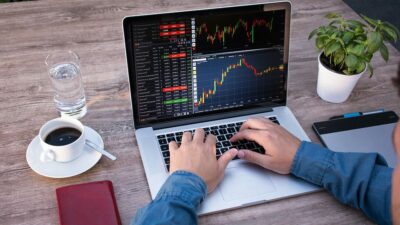
The digital age has undeniably altered the landscape for brokers. Algorithms now automate trade execution, online platforms allow property listings without intermediaries, and AI tools offer instant risk assessments for insurance.
Yet, rather than displace brokers, technology has redefined their value. Clients still seek expert guidance—especially when decisions carry significant financial or emotional weight. Rather than being replaced by machines, brokers who leverage technology to enhance insight and streamline service are in higher demand than ever.
In financial services, robo-advisors offer entry-level investment management, but seasoned brokers provide personalized strategies tailored to unique life circumstances. In real estate, virtual tours and AI pricing tools complement—but do not replace—the nuanced local knowledge a human broker offers. Technology is a tool; the broker remains the strategist.
Ethics and Regulation in Brokerage
Because brokers operate at the intersection of trust and finance, regulation is essential. Most brokers must be licensed and adhere to industry-specific guidelines. This ensures not only competency but also protects consumers from unethical practices such as conflict of interest, insider trading, or misinformation.
Reputable brokers embrace regulation as a safeguard of professional integrity. In an era of skepticism and misinformation, adhering to clear ethical standards helps brokers stand out as reliable advisors in increasingly complex markets.
Why Brokers Still Matter
Despite the growing influence of automation, the modern marketplace remains full of ambiguity. Whether it’s an investor trying to read the tea leaves of a volatile market, a couple searching for a home in a competitive city, or a business needing insurance against unforeseen threats, brokers provide something technology cannot: human judgment.
Brokers turn uncertainty into opportunity. They distill noise into insight. And they remain, even in a digitized economy, essential conduits of trust, value, and connection.
Final Thoughts: The Broker as a Modern-Day Guide
To think of brokers merely as transactional agents is to underestimate their strategic relevance. At their best, brokers are more than middlemen—they are interpreters of complexity, allies in negotiation, and champions of clarity in an ever-evolving marketplace.
As commerce continues to globalize and diversify, the need for informed, principled, and adaptable brokers will only grow. Their ability to combine market intelligence with human intuition ensures they will remain indispensable partners in business and life.