Cryptocurrency

Digital Fortunes and Decentralized Dreams: The Modern Story of Cryptocurrency

Introduction: A New Dawn for Money

Once a whisper in tech forums and cryptography circles, cryptocurrency now commands global headlines and billions in investment. From the first mined Bitcoin to today’s sprawling web of digital coins, tokens, and decentralized apps, this digital phenomenon has defied skeptics and rewritten financial narratives. But beyond the buzzwords and market charts lies a deeper truth: cryptocurrency is not just about money—it is about trust, power, and our collective imagination for what the future of finance could be.

What Is Cryptocurrency? Redefining Value in a Digital Age

At its core, cryptocurrency is a form of digital money designed to be secure and, in most cases, free from centralized control. Unlike physical currencies minted by governments, crypto assets are created and validated through complex computer algorithms. The first and most famous, Bitcoin, was introduced in 2009 by the elusive figure known as Satoshi Nakamoto—a direct response to the global financial crisis and a pointed critique of traditional banking systems.

Unlike conventional money, cryptocurrencies rely on blockchain technology—a transparent, decentralized ledger that records every transaction. This ledger is maintained by a global network of computers, removing the need for a central bank or third-party intermediary.

The Blockchain Backbone: How It Works

To appreciate why cryptocurrency is revolutionary, one must understand its technological heart: the blockchain. Imagine a massive digital spreadsheet duplicated across thousands of computers. Every time someone sends or receives cryptocurrency, that transaction is grouped with others into a block. This block is then verified by network participants (known as miners or validators) before being permanently added to the chain of previous transactions.

Key features of blockchain include

  • Decentralization: No single institution controls the data. The network’s participants collectively maintain and update the ledger.

  • Transparency: Every transaction is publicly recorded and traceable, though individual identities remain protected behind encrypted keys.

  • Immutability: Once a block is added to the chain, it cannot be changed without altering every subsequent block—a near-impossible feat.

  • Security: The distributed nature and cryptographic principles make it exceptionally resistant to fraud and hacking.

Why Do People Invest in Cryptocurrency?

The rise of cryptocurrency is not fueled solely by technological curiosity. It taps into deeper human desires for freedom, fairness, and opportunity—though not without risks.

Financial Independence

Cryptocurrency offers the ability to transfer funds globally without bank approvals, wire fees, or government oversight. For many in unstable economies, this financial autonomy is not just novel—it is life-changing.

Potential for High Returns

Bitcoin’s early investors famously saw astronomical returns. This promise of exponential gains continues to attract traders and institutions, despite wild market swings.

Innovation and New Frontiers

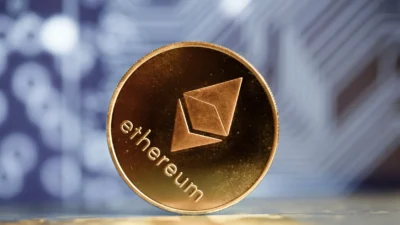
Projects like Ethereum introduced smart contracts—self-executing agreements encoded into the blockchain. This innovation fuels Decentralized Finance (DeFi) and Non-Fungible Tokens (NFTs), reshaping how we think about everything from art ownership to complex financial services.

Community and Philosophy

Crypto communities often share a libertarian spirit, advocating for decentralization and personal privacy. For many, owning crypto is not just an investment—it is a statement against centralized power structures.

Risks and Challenges: A Double-Edged Sword

For all its promise, cryptocurrency is not a guaranteed golden ticket. Its volatility and relative youth come with clear challenges.

Extreme Price Volatility

Prices can soar and collapse within days, driven by speculation, social media hype, and regulatory announcements. Investors must brace for wild swings and stomach the risk of significant losses.

Regulatory Uncertainty

Global governments are still figuring out how to handle digital currencies. Some, like El Salvador, have embraced Bitcoin as legal tender. Others, like China, have cracked down hard on mining and trading. Regulatory shifts can send shockwaves through markets overnight.

Fraud and Scams

The decentralized nature of crypto makes it harder to reverse fraud once it occurs. Phishing attacks, Ponzi schemes, and fraudulent coin offerings have cost investors billions.

Environmental Concerns

Proof-of-work mining, especially for Bitcoin, demands huge amounts of electricity. Critics argue this carbon footprint undermines any positive impact, spurring debate over sustainability.

Crypto’s Growing Influence on Traditional Finance

Despite its drawbacks, cryptocurrency is pushing traditional finance into uncharted territory.

Institutional Adoption

Major companies like Tesla, MicroStrategy, and PayPal have embraced crypto in varying degrees. Big-name banks now offer crypto custody services for their wealthiest clients, a sign of how mainstream digital assets have become.

Central Bank Digital Currencies (CBDCs)

Ironically, the decentralized dream of crypto has inspired centralized counterparts. Many countries are exploring CBDCs—digital forms of national currencies—aimed at increasing payment efficiency and security.

DeFi: Banking Without Banks

DeFi projects allow people to lend, borrow, and earn interest without middlemen. These platforms are built on smart contracts that automatically execute transactions according to coded rules, offering a glimpse of what finance could look like without banks.

Practical Tips for Navigating the Crypto Landscape

For newcomers and seasoned investors alike, caution and education are paramount. Here are some guiding principles

  • Learn Before You Leap: Understand how wallets, private keys, and exchanges work before making any investment.

  • Start Small: Invest only what you can afford to lose. Treat crypto as a high-risk, speculative asset.

  • Use Reputable Platforms: Stick to well-known exchanges and enable two-factor authentication.

  • Secure Your Assets: Consider cold storage—offline wallets—for large holdings.

  • Stay Informed: Crypto markets move fast. Follow credible sources to stay ahead of scams and emerging trends.

The Road Ahead: Speculation or Transformation?

Is cryptocurrency a speculative bubble destined to pop, or the blueprint for the money of tomorrow? Realistically, it might be a bit of both. Some coins will fade into obscurity, while others—like Bitcoin and Ethereum—could continue to shape finance for decades to come.

One thing is certain: cryptocurrency has sparked a critical conversation about who controls money, how trust is built in a digital world, and what financial freedom really means in an era of ubiquitous connectivity.

Conclusion: The New Age of Trust and Value

Cryptocurrency is not just a passing trend. It represents a profound experiment at the intersection of technology, economics, and human psychology. Whether you see it as the next evolution of money or a cautionary tale in digital speculation, its impact is undeniable.

For those daring enough to venture in, knowledge and prudence remain your best assets. Because in the volatile realm of digital coins, one truth endures: technology may change the rules, but the timeless principles of wise investing never do.

What is your reaction?

Excited
0
Happy
0
In Love
0
Not Sure
0
Silly
0

You may also like