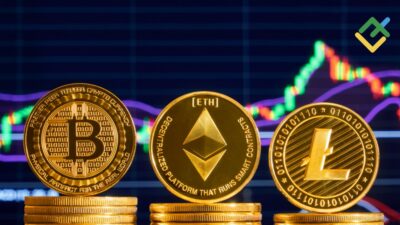
Bitcoin

Bitcoin: Beyond Speculation — The Digital Revolution of Money

Introduction: A Financial Awakening

In the past decade, few technological advancements have captured the world’s imagination quite like Bitcoin. Once dismissed as a passing experiment conjured up by cryptographers and internet idealists, Bitcoin has matured into a force that challenges our very understanding of money, sovereignty, and value exchange. Its rise has ignited debates among economists, divided governments, and inspired millions to rethink what financial freedom means in the digital age.

What Exactly Is Bitcoin?

At its core, Bitcoin is a decentralized digital currency that operates without a central authority or intermediary. Introduced in 2009 by the mysterious figure known as Satoshi Nakamoto, Bitcoin was designed as an answer to the fragility and excesses of traditional banking systems. It exists purely online, verified by a distributed network of computers around the globe that record every transaction on an immutable public ledger called the blockchain.

How Bitcoin Works: The Mechanics of Trust

Unlike fiat currencies that rely on trust in governments and central banks, Bitcoin relies on mathematics, cryptography, and a network of incentivized participants.

The pillars that uphold Bitcoin’s ecosystem include:

  • Blockchain Technology: A decentralized ledger that records all transactions in a transparent, tamper-proof manner.

  • Mining: The process where powerful computers solve complex algorithms to validate transactions and add them to the blockchain, earning miners newly minted Bitcoin as a reward.

  • Wallets and Private Keys: Users hold Bitcoins in digital wallets secured by cryptographic keys, giving them complete control over their funds without needing a bank.

Why Bitcoin Matters: Beyond Price Speculation

Too often, discussions around Bitcoin focus narrowly on its price swings, overshadowing its deeper significance. Bitcoin represents the first viable attempt to separate money from state control in the digital era. By removing intermediaries, it empowers individuals to send value across borders within minutes, often with lower fees and without the approval of any third party.

The key features that distinguish Bitcoin include:

  • Finite Supply: Only 21 million Bitcoins will ever exist, creating digital scarcity.

  • Decentralization: No single entity can alter the protocol or seize control of the network.

  • Transparency and Security: The blockchain ensures transactions are publicly verifiable yet pseudonymous.

  • Global Access: Anyone with an internet connection can participate, offering financial services to the unbanked.

Bitcoin as Digital Gold: A Hedge in Uncertain Times

Bitcoin is frequently dubbed “digital gold” for good reason. Like gold, it is scarce, durable, and not reliant on any one government. Amid growing concerns about inflation and fiat currency devaluation, Bitcoin has emerged as an alternative store of value. Many investors now view it as a hedge against excessive money printing and monetary mismanagement.

Major institutional investors, from hedge funds to pension plans, have begun allocating small percentages of their portfolios to Bitcoin, acknowledging its potential to diversify traditional holdings.

Volatility: A Blessing and a Curse

While Bitcoin’s price volatility is often criticized, it is also what attracts traders and early adopters seeking asymmetric returns. Its market remains relatively young and sensitive to macroeconomic shifts, technological developments, and regulatory decisions. Large price swings can unsettle newcomers, but seasoned investors understand that such volatility is characteristic of any emerging asset class.

Institutional Adoption: From Fringe to Financial Mainstream

Bitcoin’s journey from a curiosity on obscure internet forums to a headline topic in boardrooms is remarkable. Companies like Tesla and MicroStrategy have added Bitcoin to their balance sheets. Major payment providers, including PayPal and Visa, have integrated Bitcoin into their platforms. El Salvador made global headlines in 2021 by declaring Bitcoin legal tender—a bold experiment that other nations watch closely.

Regulation: Navigating the Grey Zones

As Bitcoin’s influence grows, governments face mounting pressure to regulate it. Some countries embrace it as an innovation, while others attempt to ban or restrict its use. The lack of a consistent global framework leaves Bitcoin operating in a patchwork of regulations, creating both opportunities and risks for its future development.

Environmental Critique: An Urgent Debate

A key controversy surrounding Bitcoin is its energy consumption. The process of mining, while securing the network, requires immense computational power—often powered by fossil fuels in certain regions. Critics argue this makes Bitcoin unsustainable in a world racing to combat climate change. However, the industry is actively seeking solutions, including shifting mining operations to renewable energy sources and exploring technological innovations that reduce energy demand.

What Lies Ahead for Bitcoin?

Predicting Bitcoin’s future is notoriously challenging. Will it fulfill its promise as a global reserve asset? Or will it remain a niche alternative, overshadowed by new technologies? What is undeniable is that Bitcoin has already changed the conversation about what money is, who controls it, and how it can operate in a borderless, digital society.

For those considering venturing into Bitcoin, thoughtful preparation is essential:

  • Educate Yourself: Understand the fundamentals, the risks, and the technological underpinnings.

  • Adopt Security Best Practices: Store Bitcoin securely in reputable wallets and safeguard private keys.

  • Diversify: Treat Bitcoin as one component of a balanced portfolio.

  • Stay Updated: This is an evolving landscape. Regulations, technological upgrades, and market sentiment can shift rapidly.

Conclusion: A Revolution Still Unfolding

Bitcoin’s story is far from over. It has withstood skepticism, regulatory crackdowns, dramatic booms and busts, and relentless debate. Through it all, its core promise remains: a decentralized, transparent, borderless way to store and transfer value in an increasingly digital world.

Whether Bitcoin ultimately becomes a universal reserve asset, a transactional currency, or simply the bedrock for future blockchain-based innovations, its impact is already woven into the fabric of modern finance. To ignore it is to ignore a movement reshaping how we think about money, freedom, and trust in the 21st century.

What is your reaction?

Excited
0
Happy
0
In Love
0
Not Sure
0
Silly
0

You may also like

More in:Bitcoin